
Description
Product Overview
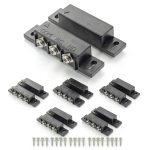
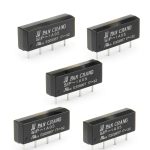
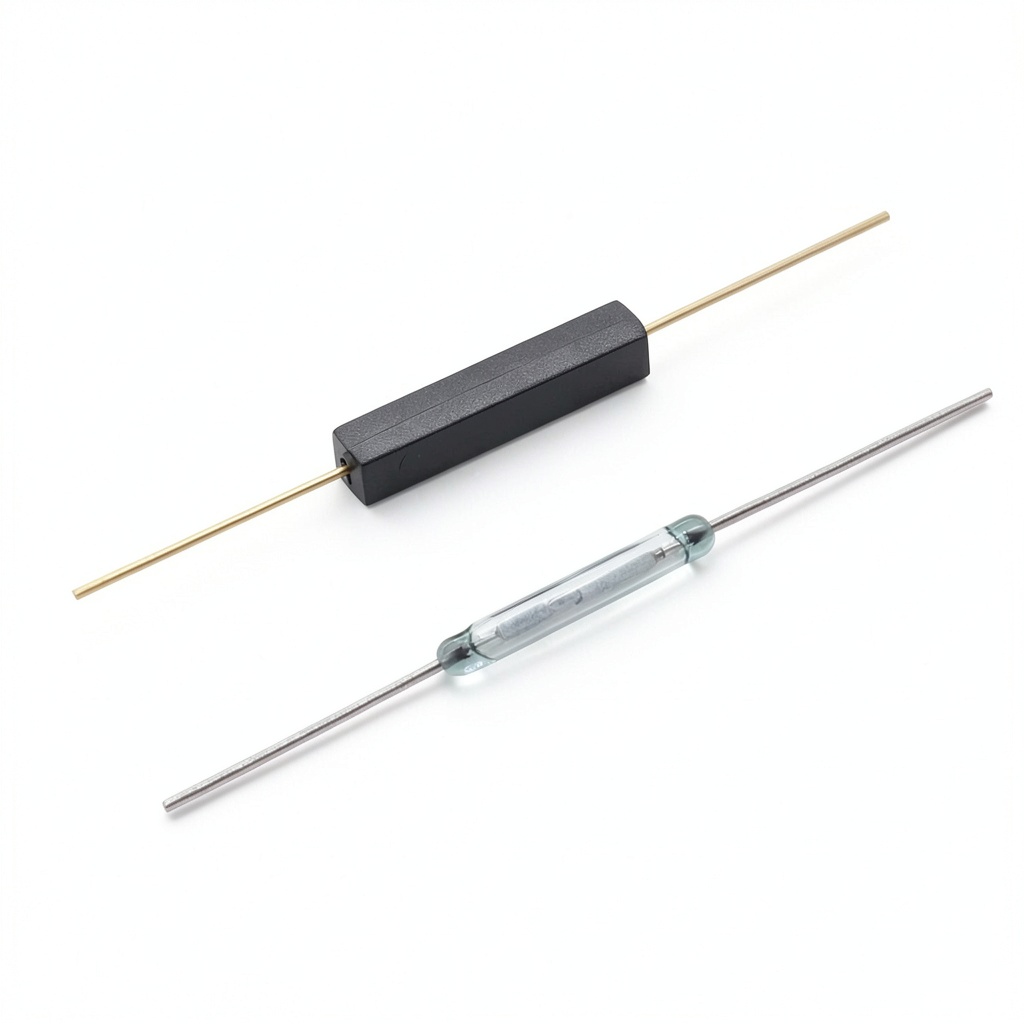
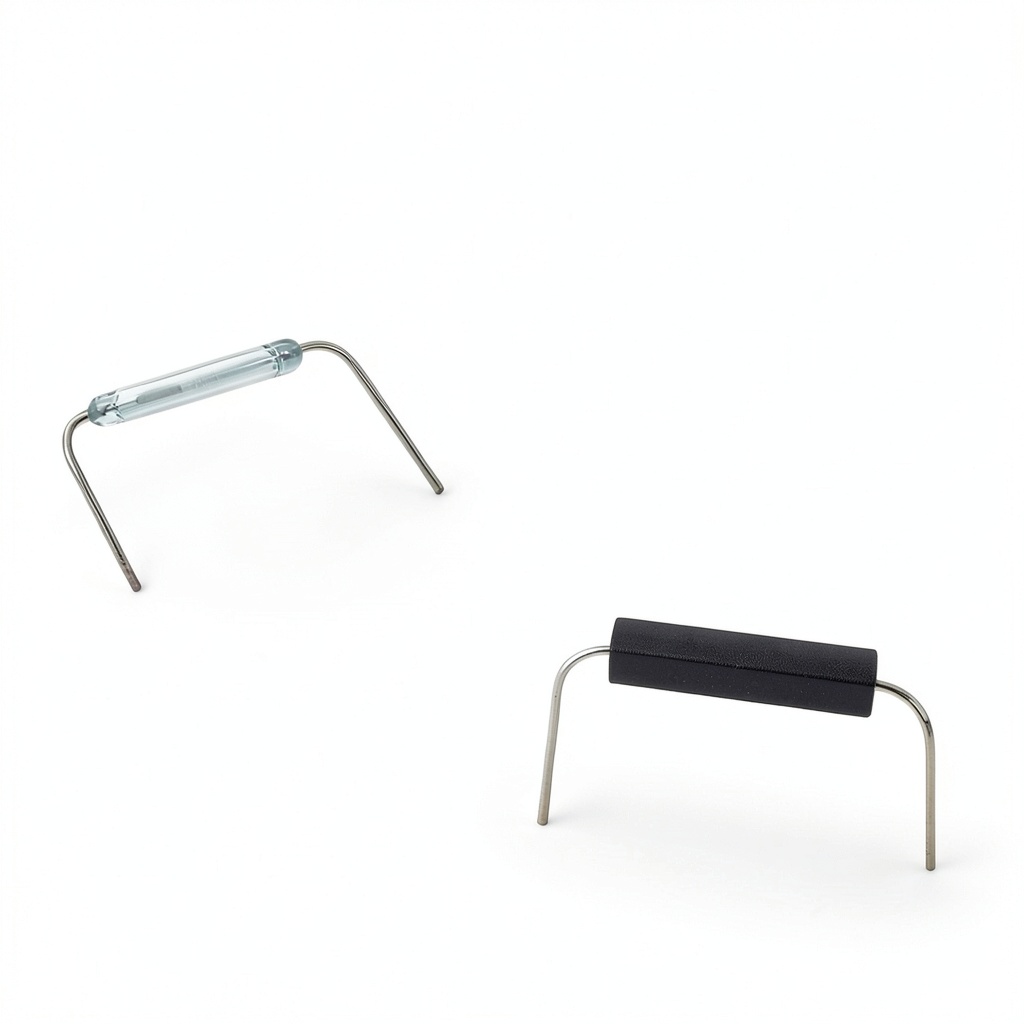
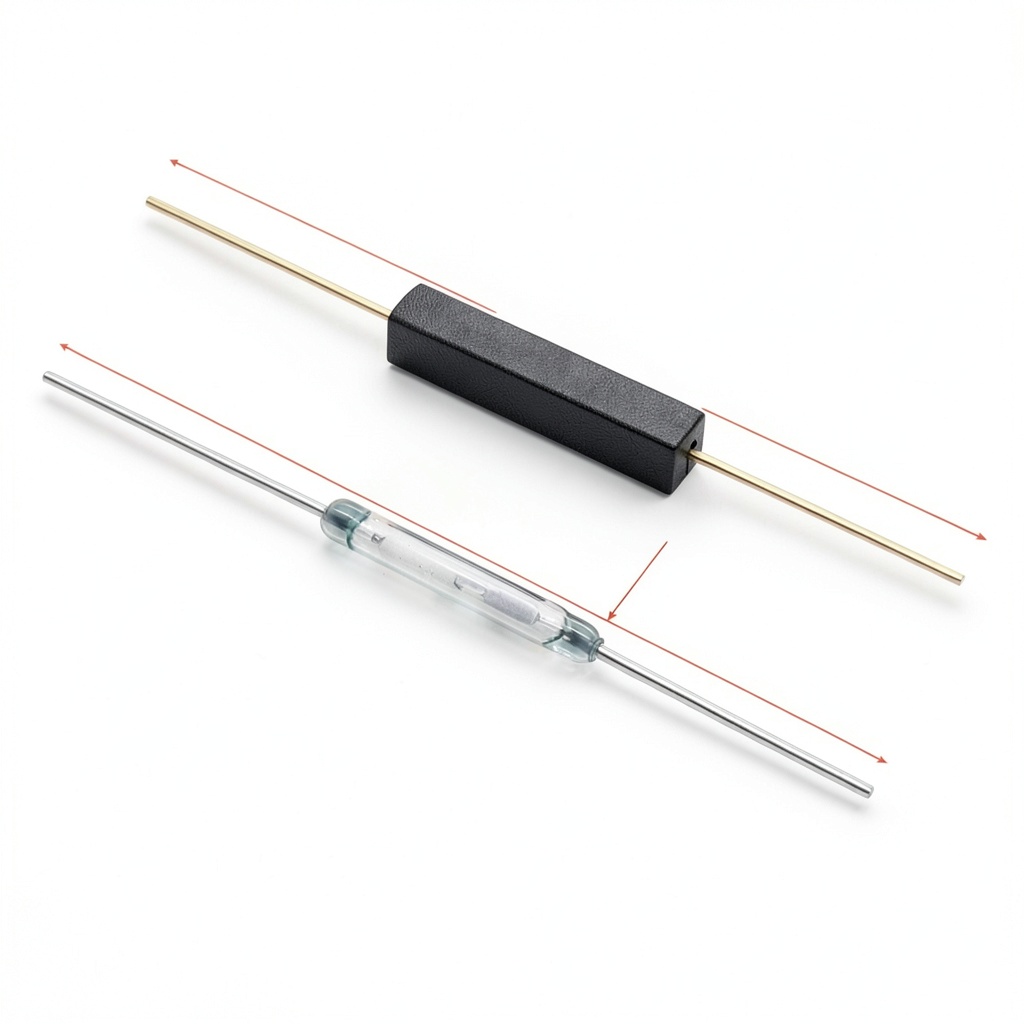
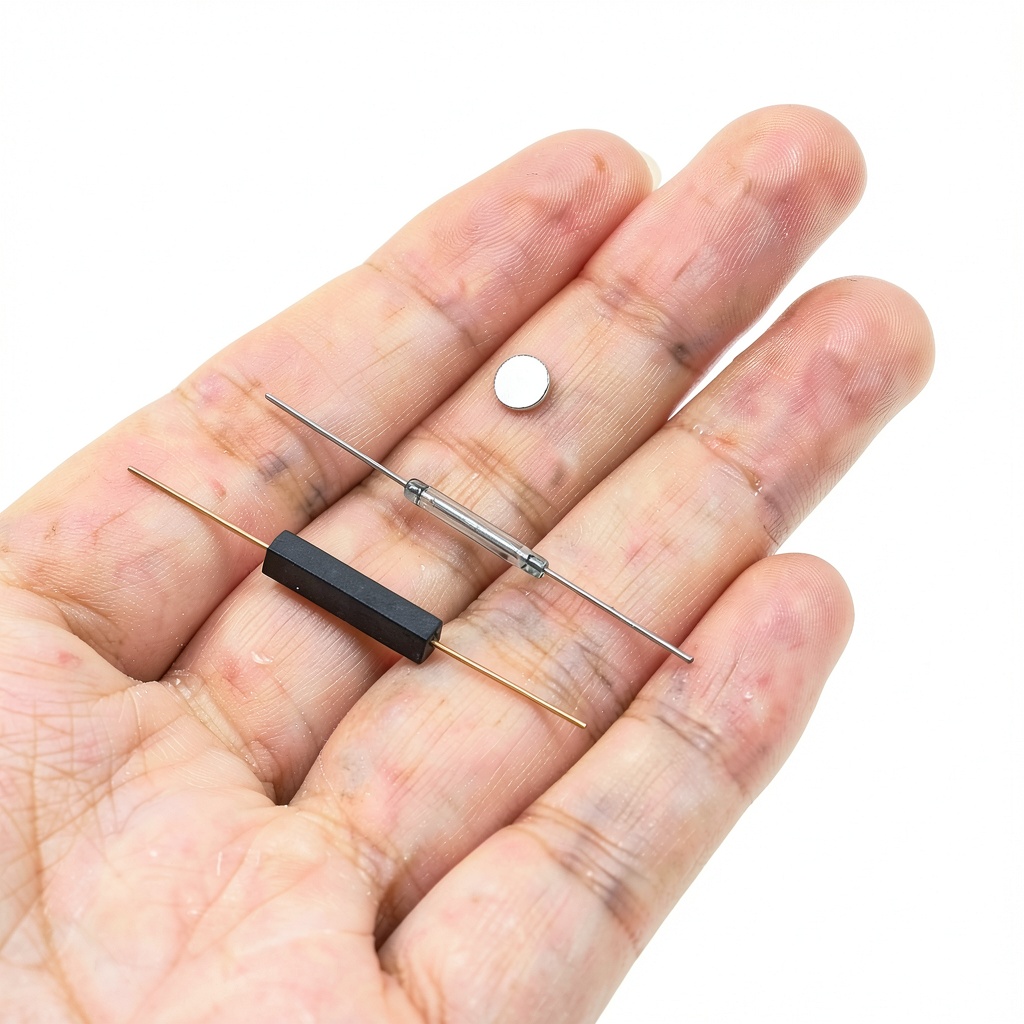
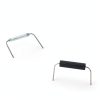
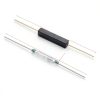
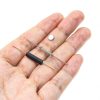
The weidder reed switch set combines ten glass reed switches and five plastic reed switches, each engineered with a 2.5 mm × 14 mm form factor. The package also includes fifteen small neodymium magnets that simplify mounting and enable rapid prototyping. All switches are normally‑open (N/O) and feature gold‑plated contact layers that provide excellent conductivity while resisting corrosion and wear over prolonged operation.
The glass reed switches are sealed within a hermetically closed glass tube filled with inert gas, preserving the sensitivity of the contacts and protecting them from moisture and dust. In contrast, the plastic reed switches use a durable polymer housing that reduces weight and cost while still delivering reliable magnetic actuation. Both variants share the same magnetic induction principle, making them interchangeable in most circuit designs.
Key electrical specifications include a maximum switching voltage of 100 VDC, a maximum switch current of 0.5 A, and a peak charging current of 1.0 A. These parameters allow the switches to handle typical low‑power control signals found in automation, automotive diagnostics, and medical instrumentation. The compact size and low mass (approximately 0.28 oz per switch) enable dense placement on printed circuit boards without compromising mechanical stability.
The fifteen included magnets are sized at 2 mm × 2 mm × 1 mm and are magnetized to provide a strong magnetic field that reliably triggers the reed contacts at a short distance. Users can position the magnets directly on the switch housing or embed them within a nearby component to create a proximity sensor arrangement. This flexibility reduces the need for additional hardware and shortens development cycles.
These reed switches are widely adopted in industrial automation devices such as conveyor belt limit switches, robotic arm position detectors, and safety interlocks. In the automotive sector, they serve as wheel speed sensors, door lock status indicators, and anti‑theft system triggers. Medical applications include infusion pump flow monitors, patient positioning sensors, and sterilization equipment safeguards, where non‑contact operation and high reliability are critical.
Manufactured by weidder, a reputable supplier in the industrial electrical market, each reed switch undergoes rigorous testing for contact bounce, repeatability, and magnetic sensitivity. The gold‑plated contacts undergo a controlled plating process that ensures uniform thickness and adhesion, resulting in a low contact resistance that remains stable over thousands of actuation cycles. This quality focus translates into a longer service life and reduced maintenance for end users.
The set is packaged in a compact, anti‑static bag that protects the delicate glass tubes from mechanical shock and static discharge during shipping. The included magnets are individually wrapped to prevent scratching of the switch housing. Clear labeling on the bag identifies the quantity of each component, allowing engineers to quickly verify inventory before assembly.
In summary, the weidder reed switch set delivers a balanced combination of high‑performance magnetic sensing, robust construction, and convenient packaging, making it a cost‑effective choice for designers seeking reliable proximity detection across a broad range of industrial, automotive, and medical applications.
![[Product front view showing all components]](https://www.wolviro.store/wp-content/uploads/2026/07/7f28cbe952524d24aa89687f049684da.jpg)
Usage
In automated manufacturing lines, the reed switches act as non‑contact limit detectors that signal the end of travel for moving parts such as pistons, conveyors, and robotic joints. By placing a small magnet on the moving component, the switch closes when the magnet approaches, generating a clean digital signal that can be read by PLCs or microcontrollers. This method eliminates mechanical wear, reduces downtime, and simplifies maintenance compared with traditional mechanical limit switches.
In vehicle door modules, the reed switches provide a reliable way to detect door‑closed status without the need for physical contact levers. The compact glass and plastic variants can be mounted on the door frame, while a magnet embedded in the door latch triggers the switch when the door is fully closed. This arrangement offers high resistance to vibration and temperature extremes, ensuring consistent operation throughout the vehicle’s lifespan.
Medical equipment such as infusion pumps and patient monitoring systems rely on precise, non‑intrusive sensing to ensure safety. Reed switches can be integrated into fluid flow paths to detect the presence of a magnetic marker attached to a syringe plunger, providing real‑time feedback on dosage delivery. Their hermetically sealed glass construction guarantees sterility, while the gold‑plated contacts prevent corrosion when exposed to saline environments.
Installing the reed switches is straightforward: align the switch housing with the intended magnetic field line and secure it using the supplied magnets or a small screw. For glass switches, avoid applying excessive force to the glass tube, as it may fracture the sealed enclosure. Plastic switches are more tolerant of handling but should still be kept away from strong electromagnetic interference that could cause false triggering.
The reed switches’ low power consumption and lack of moving parts make them ideal for battery‑powered or energy‑harvesting devices. Once the magnetic field is removed, the contacts open instantly, resetting the circuit without any wear. This reliability, combined with the gold‑plated contacts’ resistance to oxidation, ensures that the switches maintain their performance over many years of continuous operation.
Why Choose Us
weidder has built a solid reputation in the industrial electrical market by consistently delivering components that meet stringent performance standards. The company’s focus on precision engineering and material selection ensures that each reed switch adheres to the exact dimensions and magnetic characteristics required by demanding applications. Customers worldwide trust weidder for its reliability, on‑time delivery, and transparent product documentation, which simplifies compliance with industry regulations.
The manufacturing process for the glass reed switches incorporates a clean‑room environment where the glass tubes are formed, evacuated, and filled with inert gas before being sealed. This controlled atmosphere eliminates contaminants that could degrade contact performance. Plastic switches are injection‑molded using high‑grade polymers that resist chemical attack and maintain dimensional stability across a wide temperature range. Both types undergo a gold‑plating step that is tightly monitored to achieve a uniform coating thickness of 0.5 µm.
Every batch of reed switches is subjected to a comprehensive test suite that includes contact bounce analysis, magnetic sensitivity verification, and endurance cycling up to 10 million actuations. The switches also pass insulation resistance tests at 500 VDC to confirm their ability to withstand voltage spikes. Test results are recorded in a detailed report that accompanies each shipment, providing engineers with the data needed to validate system designs and perform risk assessments.
weidder’s technical support team is available to assist customers with selection, integration, and troubleshooting of reed switch applications. Users can access online resources, including datasheets, application notes, and CAD models, to accelerate product development. In addition, the company offers a flexible return policy and rapid replacement service, ensuring that any unexpected issues are resolved with minimal impact on project timelines.
Key Features
- Gold‑plated contacts deliver low resistance and long‑term corrosion resistance, ensuring consistent performance even in harsh environments while reducing the need for frequent maintenance or replacement.
- Glass reed switches are hermetically sealed with inert gas, providing high sensitivity and protection against moisture, dust, and temperature fluctuations. This design guarantees reliable operation in outdoor or industrial settings where exposure to contaminants is common.
- Plastic reed switches offer a lightweight, cost‑effective alternative with the same magnetic actuation principle, suitable for high‑volume production where weight and price matter. Their polymer housing also provides excellent resistance to vibration and impact, extending the lifespan in dynamic applications.
- The included 15 small neodymium magnets simplify prototyping and enable quick creation of proximity sensor configurations without additional hardware. Their strong magnetic field ensures reliable switching at short distances, reducing the space required for sensor placement.
- weidder provides responsive customer support and a flexible return policy, giving engineers confidence that any issues will be addressed promptly and with minimal disruption to development schedules.
FAQ
What is the difference between glass and plastic reed switches?
The glass and plastic reed switches share the same basic operating principle: a magnetic field moves a ferromagnetic reed inside the sealed enclosure, causing the contacts to close. The primary distinction lies in the housing material. Glass switches are sealed in a quartz‑like glass tube that is evacuated and filled with inert gas, which protects the contacts from moisture, dust, and oxidation. This results in higher sensitivity and longer life, especially in harsh or corrosive environments. Plastic switches, on the other hand, use a durable polymer shell that is lighter and less expensive to produce. While they may have slightly lower sensitivity compared with glass, they still provide reliable operation for most proximity‑sensor applications and are well suited for high‑volume manufacturing where cost and weight are critical factors. Both types are available in the same 2.5 mm × 14 mm size, making them interchangeable in many circuit layouts. When selecting between the two, consider the environmental conditions and budget constraints. For projects that demand maximum durability and resistance to chemical exposure, the glass version is preferable. Conversely, for cost‑sensitive designs where the operating environment is relatively clean, the plastic version offers an excellent balance of performance and affordability.
How do I determine the correct placement distance for the magnet?
The activation distance of a reed switch depends on the strength of the magnet, the size of the reed, and the geometry of the housing. As a rule of thumb, a standard neodymium magnet of 2 mm × 2 mm × 1 mm will reliably close the switch when positioned within 2 to 3 mm of the glass or plastic enclosure. To fine‑tune the distance, start by placing the magnet at a 5 mm gap and gradually move it closer while monitoring the output signal with a multimeter or oscilloscope. The point at which the voltage drops to the expected low level indicates the minimum reliable actuation distance. For applications that require a larger safety margin, you can increase the gap by 0.5 mm to ensure that accidental magnetic fields do not cause unintended switching. Keep in mind that ferromagnetic materials nearby, such as steel brackets, can distort the magnetic field and affect the effective range, so it is advisable to test the final assembly under realistic conditions.
Can these reed switches be used in high‑temperature environments?
The reed switches are rated for operation up to 85 °C for continuous use, which covers most industrial and automotive temperature ranges. The glass‑sealed variants can tolerate short‑term exposure to temperatures as high as 125 °C without degradation of the sealed gas or contact performance, making them suitable for applications such as engine compartment monitoring or high‑temperature process control. Plastic reed switches, while offering excellent mechanical resilience, have a lower maximum operating temperature of around 70 °C due to the polymer’s glass‑transition point. For environments that exceed these limits, it is recommended to use a thermal barrier or locate the switch in a cooler section of the system. In any case, the gold‑plated contacts maintain their conductivity across the specified temperature range, and the magnetic actuation mechanism itself is not affected by temperature, ensuring reliable switching as long as the housing material remains within its safe limits. When designing for high‑temperature use, consider the thermal expansion coefficients of the surrounding PCB material to avoid mechanical stress on the reed. Additionally, ensure that any nearby components do not generate magnetic fields that could interfere with the switch’s operation at elevated temperatures.
What testing has been performed to ensure reliability?
weidder subjects each production lot of reed switches to a rigorous qualification protocol that mirrors industry standards such as IEC 60747‑5‑2. The testing sequence begins with a visual inspection to detect any physical defects, followed by a contact bounce measurement that records the number of oscillations when the contacts close. Magnetic sensitivity is then evaluated by exposing the switch to a calibrated magnetic field and measuring the minimum field strength required to actuate the device. Endurance testing subjects the switch to 10 million open‑close cycles at the rated voltage and current, verifying that the contact resistance remains within specification. Additional tests include insulation resistance at 500 VDC, dielectric withstanding voltage, and temperature cycling from –40 °C to +85 °C to confirm performance across the full operating range. All test data are compiled into a detailed report that accompanies each shipment, giving designers confidence that the components meet the required reliability criteria. The qualification also includes a humidity soak test at 95 % relative humidity for 48 hours, ensuring that the sealed glass switches retain their performance in moist environments. For the plastic variants, a drop test from 1 meter height verifies resistance to mechanical shock. These comprehensive tests provide assurance that the reed switches will function reliably throughout the product’s intended service life.
What warranty and support options are available?
weidder offers a standard one‑year limited warranty on all reed switch kits, covering any manufacturing defects that affect functionality. If a switch fails within the warranty period, the company will replace the defective unit at no charge, provided the customer supplies proof of purchase and returns the item in its original packaging. In addition to the warranty, weidder maintains a dedicated technical support team reachable by email or phone during regular business hours. Engineers can request design assistance, receive recommendations on magnet placement, or obtain troubleshooting guidance for unexpected behavior. The company also provides access to an online portal where users can download the latest datasheets, CAD symbols, and application notes. For large‑volume customers, extended warranty terms and on‑site training programs can be arranged through a customized service agreement. Customers in regions outside the primary distribution network can also benefit from a network of authorized distributors who can provide local inventory, expedited shipping, and regional technical assistance. The warranty terms are clearly outlined in the product documentation, and any claim is processed swiftly to minimize downtime for the end user.
Reviews
There are no reviews yet.